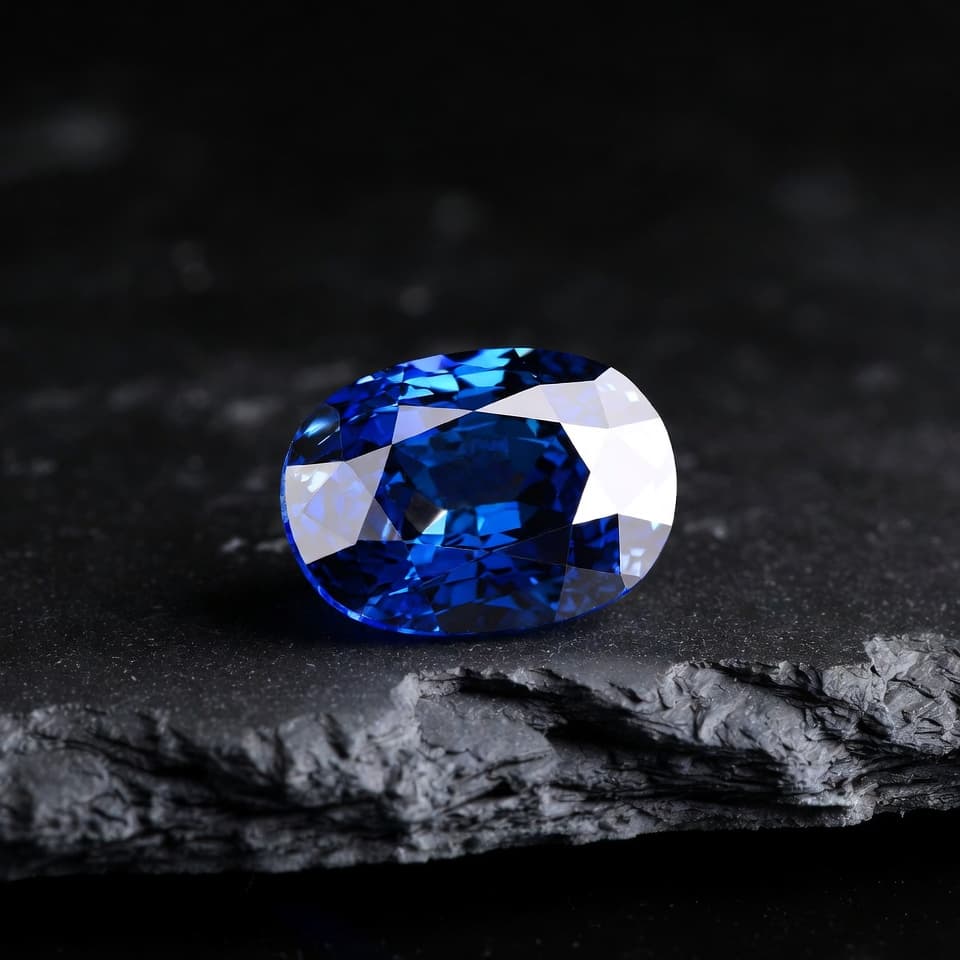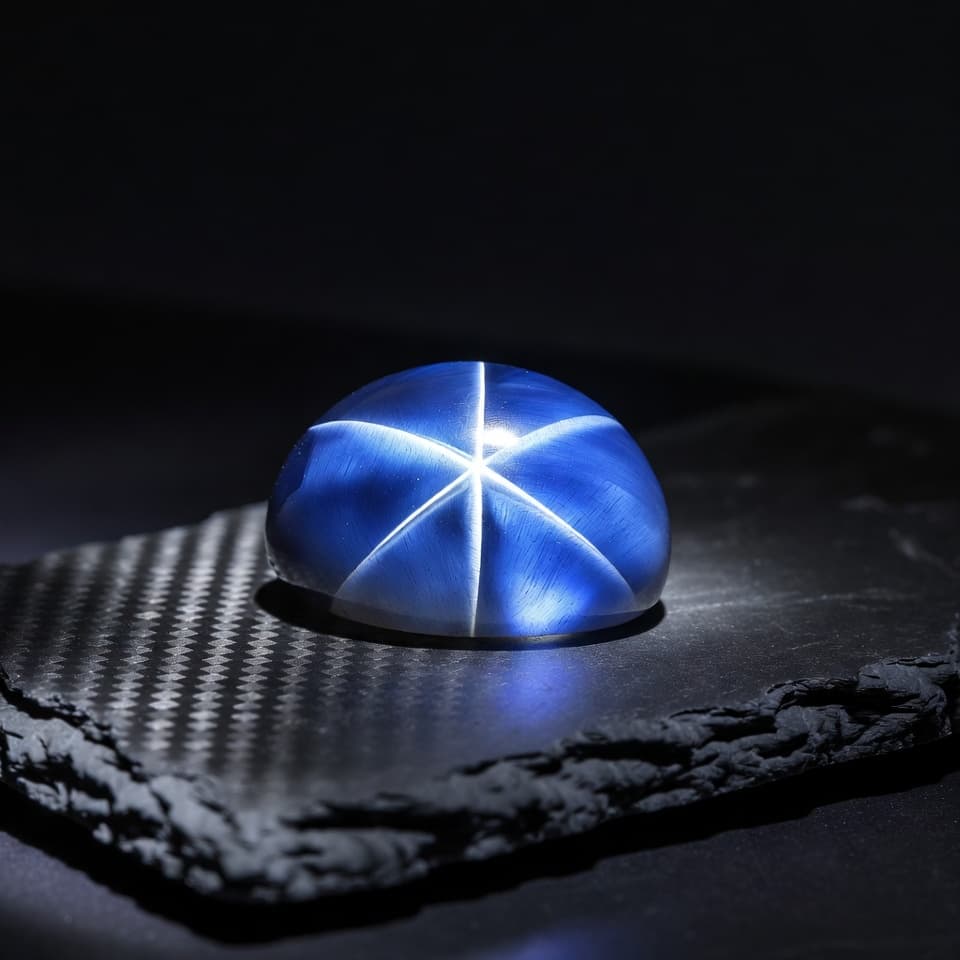
Sapphire is hard enough to survive daily wear with very little intervention. Almost every serious loss in sapphire jewellery is a failure of the metal rather than the stone, which is why setting checks matter more than cleaning routines.
The care that matters is simple: clean gently, store separately, avoid a few specific chemicals, and have the settings looked at on a regular schedule.
Routine cleaning
Warm water, a little mild soap and a soft brush will clean an untreated or heat-treated sapphire in a sound setting. Work the brush behind the stone, where the film that dulls a gem actually accumulates, then rinse and dry with a soft cloth. Most stones that look tired are simply dirty underneath rather than damaged.
When an ultrasonic cleaner is a risk
Ultrasonic cleaning is generally safe for clean, untreated or heat-treated sapphire in a secure setting, and it is a genuine risk in several specific cases. Vibration can extend a fracture that reaches the surface, disturb a heavily included stone, and loosen prongs that were already worn. Any stone that has been fracture-filled or otherwise treated with a substance in its openings should never go into an ultrasonic bath.
- Avoid ultrasonic and steam cleaning for fracture-filled or cavity-filled stones.
- Avoid them where a fracture reaches the surface of the stone.
- Avoid them for heavily included material, where vibration can propagate an existing weakness.
- Have the setting checked first: an ultrasonic bath will find a loose prong by removing the stone.
If you are unsure whether a stone has been filled, do not put it in an ultrasonic cleaner. Warm soapy water and a brush is never the wrong answer.
Chemicals attack the metal, not the stone
Sapphire is chemically robust and shrugs off most household exposure. The metal does not. Chlorine, in swimming pools and in bleach, attacks the alloys used in gold jewellery and is particularly hard on the solder joints where the piece was assembled. Repeated exposure weakens those joints until a prong fails. Remove jewellery before swimming and before using bleach-based cleaners.
Storage
At Mohs 9, a sapphire will scratch essentially everything else in the box, and only another sapphire, a ruby or a diamond will scratch it. Store pieces separately, in soft pouches or a compartmented box, so that nothing rubs. This is the single most effective habit for keeping a collection in good condition.
Setting checks
Prongs wear down. They are thin pieces of metal doing continuous work, and they thin gradually rather than failing all at once, which is why the loss is almost always preventable. A jeweller can see a worn prong long before it releases a stone. For a ring worn every day, an annual check is a reasonable habit; for pieces worn occasionally, less often. Pave and channel-set pieces carry many small stones and warrant closer attention.
Everyday habits
- Remove rings for heavy manual work, gardening and gym equipment, where impact and grip pressure do the damage.
- Put jewellery on after cosmetics, perfume and hairspray, which leave a film that dulls the stone.
- Do not remove a ring by pulling on the stone or the setting head, which slowly works the prongs loose.
- Have a piece checked whenever it has taken a hard knock, even if nothing looks wrong.
Questions fréquentes
- How do I clean a sapphire ring at home?
- Warm water, mild soap and a soft brush, working behind the stone where film collects. Rinse and dry with a soft cloth. This is safe for untreated and heat-treated sapphire in a sound setting.
- Can I put sapphire jewellery in an ultrasonic cleaner?
- Usually yes for clean, untreated or heat-treated stones in secure settings. Never for fracture-filled stones, stones with fractures reaching the surface, or heavily included material. If you are unsure whether a stone has been filled, do not risk it.
- Does chlorine damage sapphire?
- Not the stone, but it attacks the metal. Chlorine degrades gold alloys and especially the solder joints of a setting, which eventually causes a prong to fail. Remove jewellery before swimming.
- How should sapphire jewellery be stored?
- Separately, in soft pouches or a compartmented box. At Mohs 9 a sapphire will scratch nearly everything else it touches, and only sapphire, ruby or diamond will scratch it.
- How often should prongs be checked?
- Annually for a ring worn every day, less often for occasional pieces. Prongs thin gradually rather than failing suddenly, so a jeweller can spot the problem long before a stone is lost.
Sources
- GIA, Gemstone Care and Cleaning Guidelines
- Standard trade guidance on ultrasonic and steam cleaning of treated stones
- Corundum chemical stability and Mohs 9 relative hardness