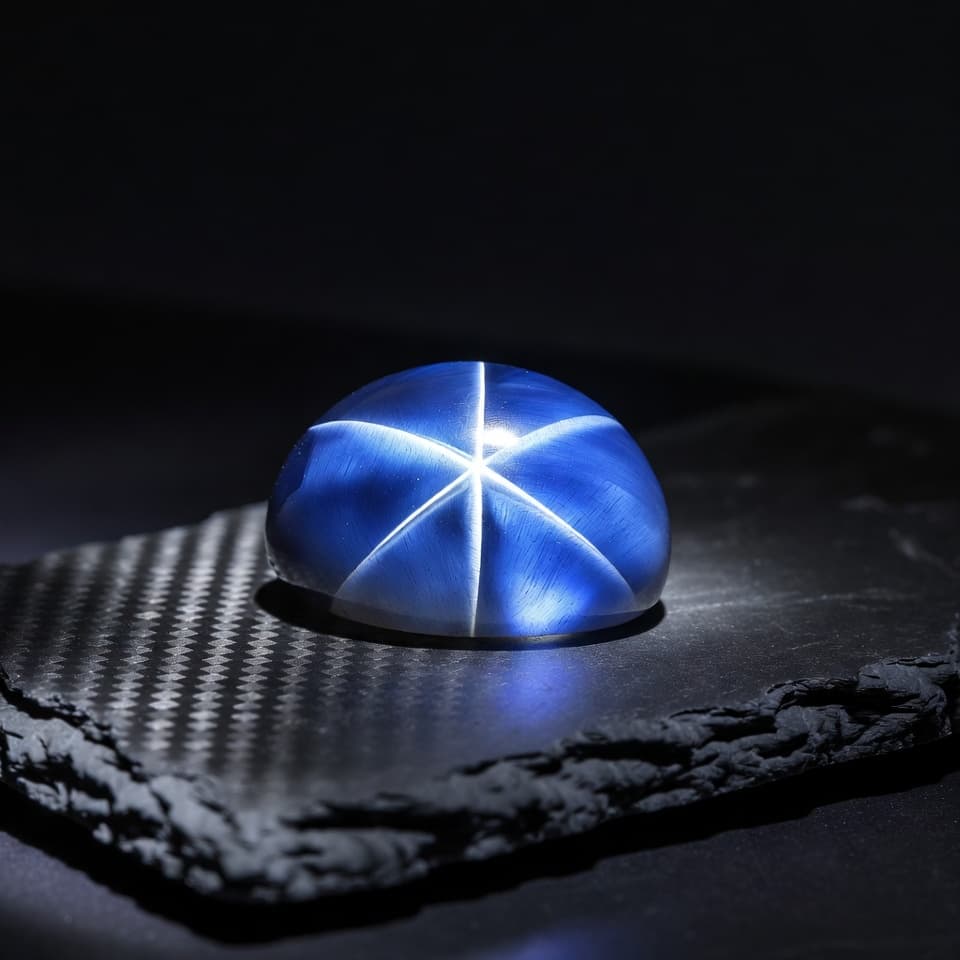
A sapphire engagement ring is a practical choice as much as an aesthetic one. At 9 on the Mohs scale with no cleavage, sapphire is one of very few coloured stones genuinely suited to being worn every day for decades.
The decisions divide cleanly. The stone is chosen first and independently, on colour, origin and treatment. The setting is chosen second, around that stone. Reversing the order is the most common and most expensive mistake.
Choose the stone before the setting
A setting can be made to fit any stone. A stone cannot be made to fit a setting. Selecting the sapphire first, on its own merits, means the design is built around something you have actually seen and judged, rather than a stone sourced later to fill a mount that was already bought.
Colour comes before size
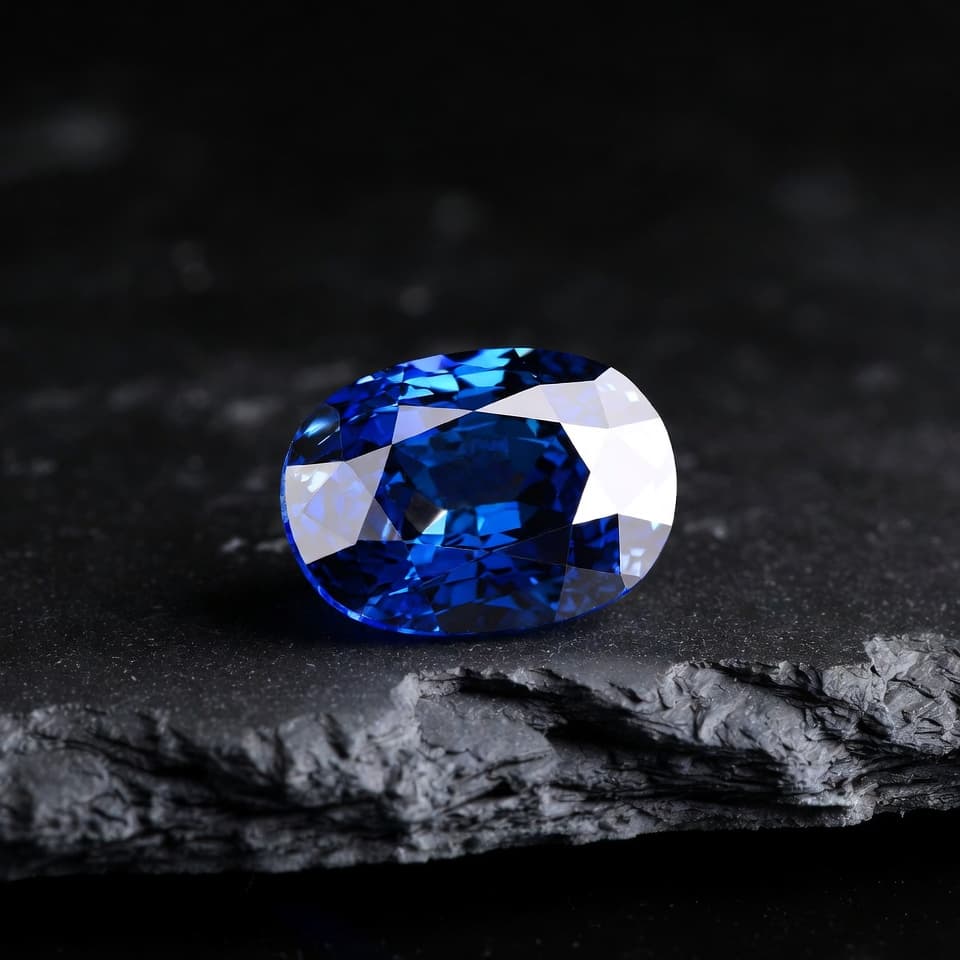
Colour is the dominant factor in a sapphire's character and its value. A smaller stone with an even, saturated colour reads better on the hand than a larger stone that is dark, grey or unevenly coloured. Judge colour in more than one light: daylight near a window, and again under warm indoor light, since sapphires can shift noticeably between the two.
- Hue, the colour itself, and whether it carries a secondary tone such as violet or green.
- Saturation, the intensity of that colour, which is what makes a stone read as vivid rather than muted.
- Tone, how light or dark it is. Very dark stones lose life; very light stones lose presence.
- Evenness, whether the colour is consistent across the stone or concentrated in zones.
Heated or unheated
Heat treatment is long-established, permanent and stable, and it is accepted throughout the trade provided it is disclosed. Unheated stones of comparable quality carry a premium because they are scarcer. Neither is a defect. What matters is that the status is stated plainly and confirmed on an independent report.
There is no such thing as a bargain sapphire with no report. The report is what makes the price meaningful.
Settings that suit daily wear
Sapphire resists scratching but can still chip on an exposed corner, so the setting carries the protective duty. A bezel wraps the girdle in metal and is the most protective option. Prongs admit more light and show more of the stone, at the cost of leaving edges exposed. Halo and pavé designs add sparkle and apparent size, and add small stones that will need checking over the years.
Shape and the hand
Elongated outlines such as oval and pear tend to lengthen the finger. Round and cushion read as more traditional and are the most forgiving of knocks, since they have no sharp corners. Princess and some emerald cuts have corners that benefit from protective metal at those points.
What the certificate should cover
- Species and variety, confirming natural corundum.
- Whether the stone is natural or laboratory-grown.
- Treatment status, stated explicitly rather than left blank.
- Weight and measurements, which should match the stone you are buying.
- Origin, where the laboratory offers an opinion on it.
Sizing and the years afterwards
Confirm the finger size before the ring is made, and ask what resizing that design will permit later. Eternity bands and channel settings that run the full circumference are difficult or impossible to resize. A plain or partially set shank leaves room to adjust. Ask, before the piece is made, what will happen when the size changes.
Domande frequenti
- Is a sapphire durable enough for an engagement ring?
- Yes. Sapphire is 9 on the Mohs scale and has no cleavage, which makes it one of the few coloured stones genuinely suited to daily wear. Only diamond is harder.
- Should I prioritise colour or size in a sapphire?
- Colour. An evenly coloured, well-saturated smaller stone reads better on the hand than a larger stone that is dark, grey or zoned. Colour is also the dominant factor in value.
- Is a heated sapphire acceptable in an engagement ring?
- Yes, provided it is disclosed. Heat treatment is permanent, stable and accepted across the trade. Unheated stones command a premium because they are rarer, but a heated stone is not a compromised one.
- Which setting best protects a sapphire?
- A bezel, which encircles the girdle in metal and shields the most vulnerable edge. Prongs show more of the stone and admit more light but leave the edges exposed.
- Can a sapphire ring be resized later?
- It depends on the design. A plain or partly set shank can usually be adjusted. Full eternity bands and channel settings that run the whole circumference are difficult or impossible to resize, so ask before the piece is made.
Fonti
- GIA, Sapphire Description and Quality Factors
- Corundum hardness 9 and absence of cleavage, standard mineralogical data
- Trade practice on disclosure of heat treatment